The Professional Mold Remediation Process
Mold remediation is the process of identifying, containing, and removing mold from indoor environments. Unlike simple cleaning, professional remediation follows strict industry protocols to ensure mold is safely eliminated without spreading contamination to unaffected areas. Understanding this process helps property owners make informed decisions when dealing with mold problems in their Denver homes or businesses.
Important: Mold Inspection & Testing Denver is a test-only company. We do not perform remediation. This guide is provided as an educational resource so you know what to expect when hiring a remediation professional.
What Is Mold Remediation?
Mold remediation refers to the comprehensive process of removing mold growth and contamination from a building. The goal is not just to kill visible mold, but to restore the indoor environment to a safe, healthy condition. This involves eliminating the mold source, removing contaminated materials, cleaning salvageable surfaces, and implementing measures to prevent future growth.
Professional remediation differs from DIY cleaning in several critical ways. Trained remediators understand how mold spreads through air currents and HVAC systems, how to establish proper containment, and how to protect themselves and building occupants during the process. They also follow standards set by organizations like the Institute of Inspection, Cleaning and Restoration Certification (IICRC) and the American Conference of Governmental Industrial Hygienists (ACGIH).
In Denver's semi-arid climate, mold problems are often tied to specific moisture events such as flooding, plumbing leaks, or condensation issues in basements and crawl spaces. While the dry air can help limit mold growth in some situations, once moisture accumulates in hidden areas, mold can proliferate quickly and remain undetected for months.
Health Risks of Mold Exposure
Mold exposure poses real health risks, particularly for people with respiratory conditions, allergies, weakened immune systems, and young children. When mold colonies grow indoors, they release microscopic spores and, in some cases, mycotoxins into the air. These particles can be inhaled or come into contact with skin, leading to a range of health problems.
Common health effects of mold exposure include:
- Persistent coughing, sneezing, and nasal congestion
- Eye irritation, redness, and watery eyes
- Skin rashes and dermatitis
- Shortness of breath and wheezing
- Chronic headaches and fatigue
- Worsening of asthma symptoms
- Sore throat and sinus infections
Long-term exposure to certain mold species, particularly those producing mycotoxins such as Stachybotrys chartarum (black mold), has been associated with more serious conditions including chronic respiratory illness and neurological symptoms. This is one of the primary reasons why professional remediation, rather than surface-level cleaning, is essential when significant mold growth is discovered.
Structural Damage From Mold
Beyond health concerns, mold causes real structural damage to buildings. Mold feeds on organic materials including wood framing, drywall paper, carpet, insulation, and ceiling tiles. Over time, this biological degradation weakens structural components and can compromise the integrity of your home.
In Denver-area homes, common areas vulnerable to structural mold damage include:
- Wood framing in basements and crawl spaces
- Drywall behind sinks, tubs, and washing machines
- Roof decking near ice dam areas or flashing failures
- Subfloor materials under bathrooms and kitchens
- Attic sheathing where ventilation is inadequate
When mold damage progresses unchecked, repair costs escalate significantly. What might start as a simple drywall replacement can evolve into replacing wall studs, subflooring, or entire sections of a home. Early detection through professional mold testing helps catch problems before they reach this stage.
Personal Protective Equipment (PPE)
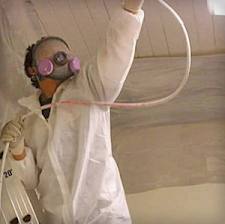
Before any remediation work begins, technicians must don appropriate personal protective equipment. Mold spores are microscopic and easily inhaled, making respiratory protection essential. The level of PPE required depends on the extent of contamination.
Standard PPE for mold remediation includes:
- N-95 respirator or full-face respirator with HEPA-rated cartridges for larger jobs
- Disposable coveralls (Tyvek or similar) to prevent spore contact with skin and clothing
- Nitrile or rubber gloves extending to the mid-forearm
- Safety goggles without ventilation holes to protect eyes from airborne spores
- Shoe covers or dedicated work boots to prevent tracking contamination
For large-scale remediation projects or when toxic mold species are present, full-face powered air-purifying respirators (PAPRs) may be used. All PPE is disposable or thoroughly decontaminated after each project to prevent cross-contamination between job sites.
Containment
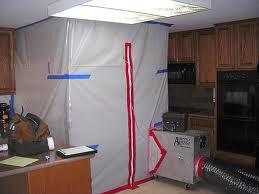
Containment is arguably the most critical step in professional mold remediation. Without proper containment, disturbing mold colonies sends millions of spores airborne, potentially spreading contamination throughout the entire building. This is one of the biggest risks of DIY mold removal.
Professional containment involves:
- Sealing the affected area with 6-mil polyethylene sheeting and tape
- Creating negative air pressure using air scrubbers or negative air machines to ensure spores flow into the containment zone rather than out
- Shutting down HVAC systems that serve the affected area to prevent ductwork distribution
- Sealing supply and return vents within the containment zone
- Establishing a decontamination chamber for workers to enter and exit without releasing spores
The size and complexity of containment depends on the scope of the mold problem. Small, localized growth may only require limited containment, while widespread contamination demands full containment with airlocks and multiple layers of protection.
Removal of Mold-Damaged Materials
Once containment is established, the physical removal of mold-contaminated materials begins. Porous materials that have been colonized by mold generally cannot be adequately cleaned and must be removed entirely. This includes:
- Drywall and gypsum board with visible mold growth or water staining
- Carpeting, carpet padding, and underlayment in affected areas
- Insulation (fiberglass batts, cellulose, or spray foam) that has been contaminated
- Ceiling tiles and acoustical panels
- Paper-backed products including wallpaper and vapor barriers
- Severely damaged wood that has been structurally compromised
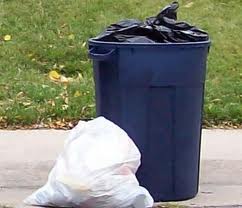
All contaminated materials are double-bagged in heavy-duty polyethylene bags before being carried through the containment zone and out of the building. This prevents loose spores from contaminating clean areas during the removal process. The bags are sealed with tape and labeled as mold-contaminated waste.
Non-porous and semi-porous materials such as wood framing, concrete, and metal can often be cleaned and salvaged rather than removed. The decision to remove versus clean is made on a case-by-case basis by the remediation team.
Cleaning Methods
After contaminated materials are removed, all remaining surfaces within the containment area are thoroughly cleaned using specialized techniques and antimicrobial products. Professional cleaning methods include:
Wire Brushing and Sanding
Mold growth on wood framing and structural members is physically removed by wire brushing or sanding. This removes the surface layer of mold and prepares the material for antimicrobial treatment.
Antimicrobial Application
EPA-registered antimicrobial products are applied to all cleaned surfaces. These products kill residual mold spores and help prevent regrowth. Common products include quaternary ammonium compounds and hydrogen peroxide-based solutions.
Damp Wiping
Non-porous surfaces such as metal, glass, and hard plastics are damp-wiped with antimicrobial solution. Multiple passes are typically required to ensure thorough removal of mold residue.
Media Blasting
For large-scale projects or heavily contaminated surfaces, dry ice blasting or soda blasting may be used. These methods remove mold from wood and concrete without chemicals and without damaging the underlying material.
It is important to note that bleach is not recommended for mold remediation by most industry professionals. While bleach can kill surface mold on non-porous materials, it is ineffective on porous surfaces and can actually contribute to moisture problems that fuel future mold growth.
HEPA Vacuuming
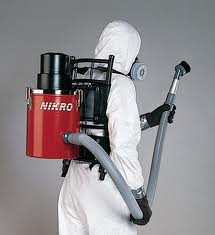
HEPA (High Efficiency Particulate Air) vacuuming is an essential step performed after physical cleaning. HEPA vacuums are equipped with filters that capture 99.97% of particles as small as 0.3 microns, which includes mold spores that typically range from 1 to 30 microns in size.
During this step, every surface within the containment zone is thoroughly vacuumed, including:
- All wall, floor, and ceiling surfaces
- Structural framing members and joists
- Ledges, crevices, and hard-to-reach areas
- Contents and belongings that remain in the area
- The containment barriers themselves
HEPA vacuuming removes residual mold spores, dust, and debris that antimicrobial cleaning may have loosened but not fully captured. A standard household vacuum cannot substitute for a true HEPA unit, as regular vacuums can actually expel mold spores back into the air through their exhaust.
Drying and Dehumidification
Since moisture is the primary driver of mold growth, thorough drying is critical to preventing recurrence. Professional remediation companies use industrial-grade drying equipment to bring moisture levels back to acceptable standards.
Equipment commonly used includes:
- Commercial dehumidifiers capable of removing 30-100+ pints of water per day
- High-velocity air movers to increase air circulation and evaporation
- Moisture meters and hygrometers to monitor progress and verify drying goals
- Thermal imaging cameras to detect hidden moisture in walls and ceilings
The drying process continues until building materials reach their target moisture content, typically between 10-16% for wood depending on conditions. In Colorado's dry climate, this process may be faster than in humid regions, but it still requires professional monitoring to ensure all moisture pockets are fully addressed.
If the original source of moisture is not identified and corrected, mold will return regardless of how thorough the remediation was. This is why a professional mold inspection before remediation is so important: it helps pinpoint the root cause of the moisture problem.
Air Scrubbing and HVAC Cleaning
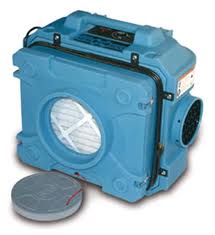
Air scrubbers (also called negative air machines) are HEPA-filtered devices that continuously clean the air throughout the remediation process. They serve two critical purposes:
- Creating negative pressure within the containment zone so that air flows inward rather than outward, preventing spore escape
- Filtering airborne spores by cycling contaminated air through HEPA filters, progressively reducing the airborne mold spore count
Air scrubbers typically run continuously during remediation and for a period afterward to ensure the air quality reaches safe levels before containment is removed.
If mold contamination has entered the HVAC system, ductwork cleaning is also necessary. Mold spores can colonize the interior of duct systems and be distributed throughout the building every time the heating or cooling system operates. Professional duct cleaning involves accessing all sections of the ductwork, cleaning interior surfaces, and replacing contaminated filters.
Encapsulation
After cleaning and drying, certain surfaces may be treated with an encapsulant. Encapsulation involves applying a specialized coating that seals remaining mold spores in place and prevents future growth. This step is particularly useful for:
- Wood framing that has been cleaned but may retain microscopic spore residue in the grain
- Concrete surfaces in basements and crawl spaces where moisture control is challenging
- Attic sheathing where replacement would be impractical or prohibitively expensive
- Crawl space joists and subfloor as an added layer of protection
Encapsulants are typically applied as a paint-like coating, often white, which serves a dual purpose: it seals the surface and makes future mold growth immediately visible as dark spots against the white background. Not every remediation project requires encapsulation, but it is a valuable tool in the remediator's arsenal for providing long-term protection.
Post-Remediation Verification
Post-remediation verification (PRV) is the final quality assurance step that confirms the remediation was successful. This testing should always be performed by an independent third party, not the remediation company itself, to ensure objectivity. This is where Mold Inspection & Testing Denver comes in.
A thorough post-remediation verification includes:
- Visual inspection of all remediated areas to confirm no visible mold remains
- Moisture readings of building materials to verify they have reached acceptable levels
- Air sampling inside the containment area and in control locations to compare spore counts
- Surface sampling of cleaned areas if warranted
- Lab analysis of collected samples by an accredited laboratory
Successful verification means that airborne mold spore levels inside the remediated area are at or below levels found in the outdoor control sample, and that no visible mold growth or musty odors remain. Only after passing PRV should containment be removed and the area returned to normal use.
Need post-remediation testing? As an independent, test-only company, Mold Inspection & Testing Denver provides unbiased post-remediation verification. We have no financial incentive to pass or fail a remediation job. Schedule your post-remediation test.
Final Cleaning and Reconstruction
Once post-remediation verification confirms the work was successful, the final phase begins. This includes removing the containment barriers, performing a final HEPA vacuuming and cleaning of adjacent areas that may have accumulated dust during the process, and reconstructing any building components that were removed.
Reconstruction work may include:
- Installing new drywall, taping, and finishing
- Replacing insulation with mold-resistant alternatives
- Installing new flooring, carpet, or tile
- Painting with mold-resistant primer and paint
- Replacing trim, baseboards, and cabinetry
Some remediation companies handle reconstruction in-house, while others work with general contractors for the rebuild phase. Either way, the key is ensuring that moisture-resistant materials and proper ventilation are incorporated to reduce the risk of future mold problems.
Choosing a Mold Remediation Company
Selecting the right remediation company is a critical decision. Here are key factors to consider:
Certifications
Look for IICRC-certified firms with specific mold remediation credentials (AMRT or WRT certifications). These professionals have completed standardized training in mold remediation protocols.
Insurance
Verify the company carries both general liability insurance and pollution liability insurance. Mold remediation without proper coverage puts you at financial risk.
Written Protocol
A reputable company will provide a detailed remediation protocol before work begins, outlining the scope of work, containment strategy, and disposal plan.
Independent Testing
Be wary of companies that insist on performing their own testing. The company that finds the mold and the company that removes it should be separate to avoid conflicts of interest.
For a directory of trusted remediation companies in the Denver area, visit our Mold Removal Companies page.
Need a Mold Inspection Before Remediation?
Start with accurate testing from an independent inspector. We identify the type and extent of mold so your remediation team has a clear plan of action.