Black Mold: The Complete Guide
What Is Black Mold?
Black mold, scientifically known as Stachybotrys chartarum (sometimes referred to as Stachybotrys atra), is a species of mold that has gained widespread attention due to its potential health risks. While the common name "black mold" is widely used, it is important to understand that many mold species appear dark or black in color. Not all dark-colored mold is Stachybotrys, and positive identification requires laboratory analysis.
Stachybotrys is a slow-growing mold that thrives on materials with high cellulose content, such as drywall paper, cardboard, ceiling tiles, and wood. It requires sustained moisture to grow, meaning it is most commonly found in areas that have experienced prolonged water damage, chronic leaks, or persistent condensation.
What makes Stachybotrys particularly concerning is its ability to produce mycotoxins, toxic secondary metabolites that can cause health problems in humans and animals. Not all strains of Stachybotrys produce mycotoxins, but without laboratory testing, there is no way to know whether a particular colony is toxigenic.
Understanding Mycotoxins
Mycotoxins are toxic chemical compounds produced by certain mold species as they grow and reproduce. Stachybotrys chartarum is known to produce several types of mycotoxins, including satratoxins, which belong to a group called trichothecenes. These are among the most toxic naturally occurring substances.
Mycotoxins can be inhaled when mold spores become airborne, or they can be absorbed through skin contact. They are also present in the mold's spores and in tiny fragments of mold growth that break off and become airborne. Unlike the spores themselves, these fragments can be even smaller and penetrate deeper into the respiratory system.
The presence of mycotoxins is what elevates Stachybotrys from a common nuisance mold to a genuine health concern. However, it is worth noting that other common indoor molds such as Aspergillus and Penicillium can also produce mycotoxins. This is why professional mold testing, which identifies both the species and concentration of mold present, is so valuable.
Black Mold Symptoms
Exposure to black mold and its mycotoxins can produce a wide range of symptoms. The severity depends on the concentration of mold, the duration of exposure, and individual sensitivity. People with pre-existing respiratory conditions, allergies, compromised immune systems, infants, and the elderly are most vulnerable.
Dry Eyes
Persistent dry, irritated, or watery eyes that do not respond to typical allergy treatments. Redness and itching are common, often worsening when indoors.
Sore Throat
Chronic sore throat or throat irritation, especially noticeable in the morning after sleeping in a contaminated bedroom. May be accompanied by a persistent dry cough.
Chronic Fatigue
Persistent tiredness and lack of energy that does not improve with rest. Many people exposed to black mold report feeling exhausted regardless of how much sleep they get.
Breathing Trouble
Shortness of breath, wheezing, and difficulty breathing. Existing asthma conditions may worsen significantly. Some people develop new respiratory symptoms they have never experienced before.
Physical Discomfort
Generalized body aches, joint pain, and muscle discomfort. Headaches, particularly persistent headaches that occur most often when in the contaminated space.
Nausea and Vomiting
Gastrointestinal distress including nausea, vomiting, and loss of appetite. These symptoms can mimic other conditions, making mold exposure difficult to diagnose without environmental testing.
Diarrhea and Stomach Pain
Abdominal cramping, diarrhea, and general digestive upset. Ingestion of mycotoxins, even indirectly through contaminated food or touching the face, can trigger gastrointestinal symptoms.
Cognitive Impairment
Difficulty concentrating, memory problems, and "brain fog." Some research has linked chronic mycotoxin exposure to neurological effects including confusion and mood changes.
Skin Rash
Rashes, hives, and dermatitis from direct contact with mold or from airborne mycotoxin exposure. Skin irritation may appear as red, itchy patches that resist standard treatment.
Important: If you are experiencing these symptoms and suspect mold exposure, consult with a healthcare provider and schedule a professional mold inspection. Identifying and removing the source is the most effective treatment.
What Does Black Mold Look Like?
Stachybotrys chartarum typically appears as a dark greenish-black mold with a slimy or wet texture when actively growing. When it dries out, it can appear dark and powdery. Key visual characteristics include:
- Color: Dark greenish-black, sometimes appearing purely black. It is rarely truly glossy black but rather has a dark, sooty appearance.
- Texture: Slimy or gelatinous when wet and actively growing. When dry, it becomes powdery and can release spores more easily into the air.
- Pattern: Tends to grow in irregular, spreading patches rather than perfectly circular colonies. It often appears in clustered spots that merge over time.
- Location: Almost always found on materials that have been wet for an extended period. Drywall, ceiling tiles, wood paneling, and cardboard boxes are common substrates.
However, visual identification alone is unreliable. Many mold species look similar to the naked eye, including Cladosporium (very common, usually harmless), Aspergillus niger, and Alternaria. The only way to confirm that a dark-colored mold is Stachybotrys is through laboratory analysis of a collected sample.

Testing for Black Mold
Professional mold testing is the only reliable way to identify whether Stachybotrys or other hazardous mold species are present in your home. At Mold Inspection & Testing Denver, we use several testing methods to provide comprehensive results:
Air Sampling
Calibrated air sampling pumps collect a measured volume of air onto a sampling cassette. The sample is analyzed in a laboratory where technicians identify and count mold spores by genus. This reveals both the types and concentrations of mold in your indoor air.
Surface Sampling
Tape lifts, swab samples, or bulk samples are collected directly from suspected mold growth. These samples are sent to a laboratory for identification under a microscope. Surface sampling can confirm whether a dark stain is actually mold and what species it is.
Thermal Imaging
Infrared cameras detect temperature differences in walls, ceilings, and floors that indicate hidden moisture. Since mold requires moisture, thermal imaging helps locate potential mold growth behind walls and above ceilings without invasive demolition.
Moisture Mapping
Using moisture meters, inspectors map the extent of water damage in building materials. This data helps define the boundaries of a mold problem and is essential for developing an effective remediation plan.
All samples collected by MI&T are analyzed by accredited third-party laboratories. Results typically include the species of mold identified, the concentration (spores per cubic meter for air samples), and a comparison to outdoor baseline levels. Our inspectors provide a detailed report explaining what the results mean and what steps, if any, are recommended.
Why DIY Mold Test Kits Are Unreliable
Home mold test kits sold at hardware stores and online may seem like a convenient and affordable option, but they have significant limitations that make their results essentially meaningless. Here is why:
- They always find mold. Settle-plate kits (petri dishes left open) will always grow mold because mold spores are present in every indoor and outdoor environment. A positive result tells you nothing useful about whether you have a mold problem.
- No concentration data. Professional air sampling measures the exact number of spores per cubic meter of air. DIY kits provide no quantitative data, so there is no way to compare indoor levels to outdoor baselines or assess severity.
- Unreliable species identification. Most DIY kits cannot accurately identify mold to the species level. Growing mold on a petri dish and looking at it does not tell you whether it is a common, harmless species or a toxigenic one like Stachybotrys.
- No inspection component. Finding out that mold exists in your air does not help you locate the source or determine the extent of the problem. A professional inspection includes visual assessment, moisture detection, and thermal imaging to identify where the mold is and why it is growing.
- Not accepted by professionals. Insurance companies, remediation contractors, and real estate professionals do not accept DIY test kit results. If you need documentation for any official purpose, professional testing is required.
The EPA itself states that "sampling for mold is not recommended as a first step" and that a professional assessment is the appropriate approach. Save the money you would spend on a DIY kit and put it toward a professional inspection that provides actionable results.
How Long Does Black Mold Take to Grow?
Mold growth can begin surprisingly quickly once the right conditions are present. In general:
- 24-48 hours: Mold spores can begin to germinate on a damp surface within one to two days of moisture exposure.
- 3-12 days: Visible mold colonies can begin to appear, though initial growth may be small and easily overlooked.
- 1-3 weeks: Significant visible mold growth can develop, depending on temperature, humidity, and the available food source.
Stachybotrys chartarum (black mold) is actually slower growing than many common mold species. It typically requires sustained moisture over a longer period, often weeks to months, before visible colonies appear. This is why it is most commonly associated with long-term water damage situations rather than brief spills or temporary leaks.
However, this slow growth also means that by the time Stachybotrys is visible, the moisture problem has been present for a considerable time, and the water damage may be extensive. Early detection through professional inspection can identify moisture conditions conducive to mold growth before Stachybotrys has a chance to establish itself.
What Causes Black Mold Growth?
Black mold requires three things to grow: moisture, a food source (organic material), and time. In Denver homes, the most common sources of the moisture that enables Stachybotrys growth include:
Flooding
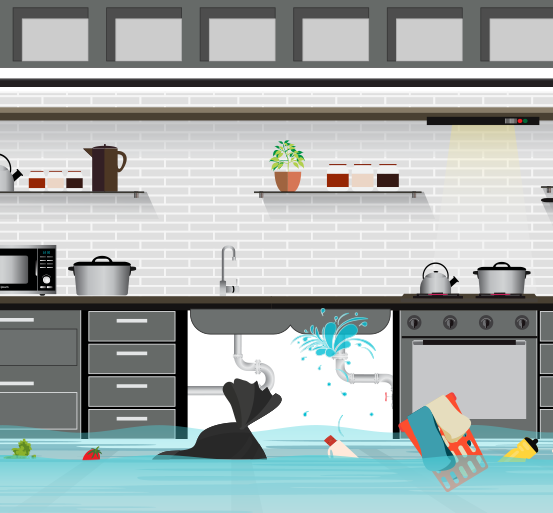
Flood events, whether from natural disasters, sewer backups, or burst pipes, introduce massive amounts of water into a home in a short time. If affected areas are not properly dried within 24-48 hours, mold growth is almost guaranteed. Stachybotrys thrives in post-flood environments because of the prolonged saturation of drywall, insulation, and wood materials.
Condensation
In Denver's climate, condensation is a frequent issue, especially during cold months. When warm, humid indoor air meets cold surfaces like windows, exterior walls, and uninsulated pipes, moisture condenses on the surface. Over time, this repeated moisture accumulation creates conditions perfect for mold growth. Single-pane windows and poorly insulated exterior walls are the most common condensation trouble spots.
High Humidity
Indoor humidity levels above 60% create favorable conditions for mold growth. While Denver's outdoor air is generally dry, indoor humidity can spike from cooking, showering, running a humidifier excessively, or drying laundry indoors. Poorly ventilated bathrooms, kitchens, and laundry rooms are the most common high-humidity zones in Denver homes.


Poor Ventilation
Inadequate ventilation traps moisture-laden air inside the home, especially in bathrooms without exhaust fans, kitchens without range hoods, and attics with blocked soffit vents. Without proper air circulation, localized humidity levels can remain elevated long enough for mold colonies to establish and grow. Modern energy-efficient homes can actually be more prone to this issue because their tight building envelopes reduce natural air exchange.
Plumbing Leaks
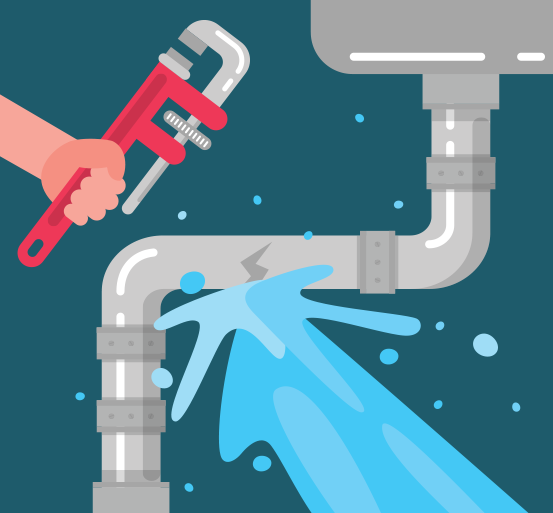
Slow plumbing leaks are one of the most common and insidious causes of black mold in Denver homes. A leaking pipe behind a wall or under a sink can drip for weeks or months before being noticed, creating sustained moisture that Stachybotrys needs to grow. Supply line leaks, drain pipe connections, toilet seals, and washing machine hoses are frequent culprits.
Roof and Window Leaks
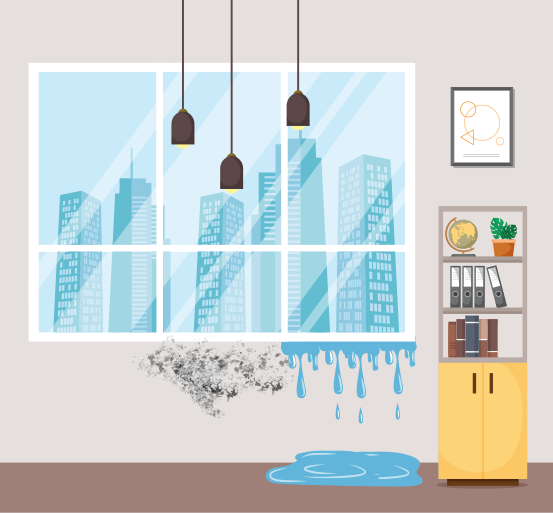
Roof leaks from damaged flashing, missing shingles, or ice dams allow water to enter attic spaces and travel down into wall cavities and ceilings. Window leaks from failing seals, improper flashing, or deteriorating caulking create moisture pockets in the surrounding drywall. In Colorado, the freeze-thaw cycle and intense sun exposure accelerate seal deterioration, making these issues more common than in milder climates.
Basement and Crawl Space Issues
Basements and crawl spaces are particularly vulnerable to mold growth due to their below-grade location. Water can enter through foundation cracks, hydrostatic pressure, or capillary action through concrete. Poor drainage around the foundation, a high water table, and inadequate waterproofing all contribute. In Denver, many older homes have unfinished basements with minimal waterproofing, making them prime locations for Stachybotrys growth.


Kitchen Moisture
Kitchens combine multiple moisture sources: cooking steam, dishwasher humidity, sink splashing, and plumbing connections. Water damage behind or beneath refrigerators (especially those with ice makers), under dishwashers, and around sink drain connections is frequently overlooked. Without adequate range hood ventilation, steam from cooking can condense on walls and ceilings, contributing to gradual mold development.
Black Mold Removal and Treatment
If Stachybotrys is confirmed in your home through laboratory testing, professional remediation is strongly recommended. Due to the potential health risks associated with mycotoxin exposure, attempting DIY removal of confirmed Stachybotrys is not advisable.
Why Professional Removal Is Essential
- Disturbing Stachybotrys colonies releases spores and mycotoxins into the air, potentially spreading contamination
- Proper containment, HEPA filtration, and negative air pressure are needed to prevent cross-contamination
- Professional-grade PPE is required to protect workers from mycotoxin exposure
- Contaminated materials must be properly bagged, sealed, and disposed of
- The underlying moisture source must be identified and corrected to prevent regrowth
The Remediation Process
Professional black mold remediation follows the same general protocol as any mold remediation project, with heightened precautions due to the mycotoxin risk. The process includes containment, material removal, cleaning and disinfection, HEPA vacuuming, air scrubbing, drying, and post-remediation verification. For a detailed breakdown of each step, see our mold remediation process guide.
After Remediation
Post-remediation verification testing by an independent third party (not the remediation company) is critical. This testing confirms that mold levels have returned to normal and that the remediation was successful. At MI&T, we perform post-remediation verification testing to give homeowners confidence that the work was done correctly.
How Common Is Black Mold?
Despite its media-fueled reputation, Stachybotrys is actually less common than many other indoor mold species. The most frequently found indoor molds in Denver homes are Cladosporium, Penicillium, Aspergillus, and Alternaria. These species grow more quickly and in a wider range of conditions than Stachybotrys.
That said, Stachybotrys is not rare. Our inspectors encounter it regularly in Denver-area properties, particularly in:
- Homes that have experienced water damage from flooding or major leaks
- Properties with long-standing plumbing issues behind walls
- Basements and crawl spaces with chronic moisture intrusion
- Buildings with ongoing roof leaks
- Structures that were closed up and unoccupied for extended periods
The key factor is sustained moisture. If a home has had persistent water problems, the likelihood of Stachybotrys increases significantly. However, it is just as important to address any indoor mold growth regardless of species, as elevated mold levels of any type can affect indoor air quality and health.
Frequently Asked Questions
Is black mold really dangerous?
Yes, Stachybotrys can pose genuine health risks, particularly because of the mycotoxins it may produce. However, the level of risk depends on the extent of contamination, the duration of exposure, and individual sensitivity. The media has sometimes exaggerated the danger, but the health risks are real and well-documented in scientific literature. The prudent approach is to have any suspected black mold professionally tested and, if confirmed, professionally remediated.
Can black mold kill you?
While extremely rare, there have been cases where severe, prolonged mycotoxin exposure has been associated with serious illness. Fatal outcomes are exceptionally uncommon and typically involve immunocompromised individuals exposed to very high concentrations over extended periods. For healthy adults, the more realistic concern is chronic respiratory problems, allergic reactions, and diminished quality of life from ongoing symptoms.
Can I remove black mold myself?
The EPA generally advises that mold growth covering less than 10 square feet can be handled by homeowners. However, if the mold has been confirmed as Stachybotrys through laboratory testing, professional remediation is recommended regardless of size due to the mycotoxin risk. For any mold covering more than 10 square feet, or mold in HVAC systems, professional remediation is always recommended.
Does bleach kill black mold?
Bleach can kill mold on non-porous surfaces such as tile, glass, and metal. However, it is ineffective on porous materials like drywall, wood, and carpet because it cannot penetrate to reach the mold's root structure (hyphae). The water in bleach can actually be absorbed by porous materials and provide additional moisture for mold regrowth. Professional remediation uses appropriate antimicrobial products designed for mold removal.
What should I do if a mold inspector finds black mold?
If your mold inspection report identifies Stachybotrys, do not panic. The inspector will provide guidance on the severity and recommended next steps. Generally, you should: (1) avoid disturbing the mold, (2) increase ventilation in the area if possible, (3) obtain quotes from at least three certified mold remediation companies, (4) address the underlying moisture source, and (5) schedule post-remediation verification testing after the work is complete.
How much does it cost to remove black mold?
The cost of black mold remediation varies widely depending on the extent and location of the contamination. Small, contained areas may cost $1,500 to $3,000, while larger projects involving multiple rooms, HVAC systems, or structural components can range from $5,000 to $15,000 or more. Get multiple written estimates and be skeptical of quotes that are significantly lower than others. Quality remediation requires trained personnel, proper equipment, and adequate time.
Does homeowner's insurance cover black mold removal?
Coverage varies by policy and by the cause of the mold. If mold results from a covered peril (such as a burst pipe or storm damage), your insurance may cover remediation costs, often with a mold-specific sublimit. If mold results from ongoing maintenance issues (such as a slow leak you neglected), it is typically not covered. Review your policy carefully and contact your insurance agent for specifics. A professional mold inspection report documenting the cause and extent of the problem is often required for insurance claims.
Concerned About Black Mold?
Schedule an independent mold inspection to find out exactly what you are dealing with. Lab-analyzed results, species identification, and actionable recommendations.
Schedule Your Mold Inspection
Get Answers. Not Guesswork.
Our independent inspectors identify the type and concentration of mold in your home using lab-analyzed samples. No conflict of interest. No upselling. Just the facts.